
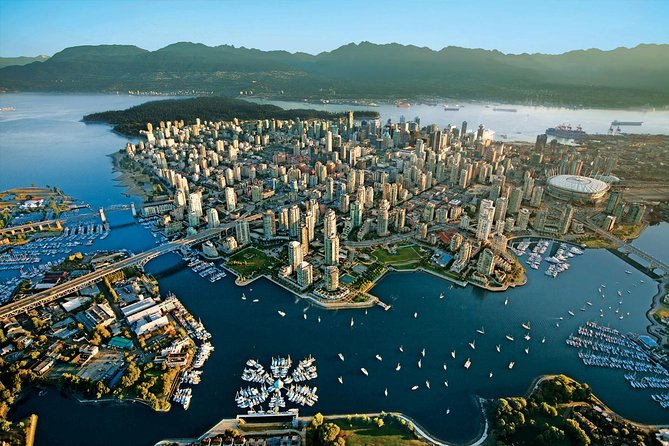
Mountains at the end of the street.
Seaplanes off Coal Harbour, the canopy walk above the Capilano canyon, orca boats past Bowen and the highway north to Whistler. What each one is like, what it costs, where to book it.
Seven Vancouver gets right.
First visit or fifth, these carry a Vancouver week: the bridge strung across the rainforest canyon, the boat that finds the orcas, the gondola swinging over Howe Sound, the food walk through Gastown brick.
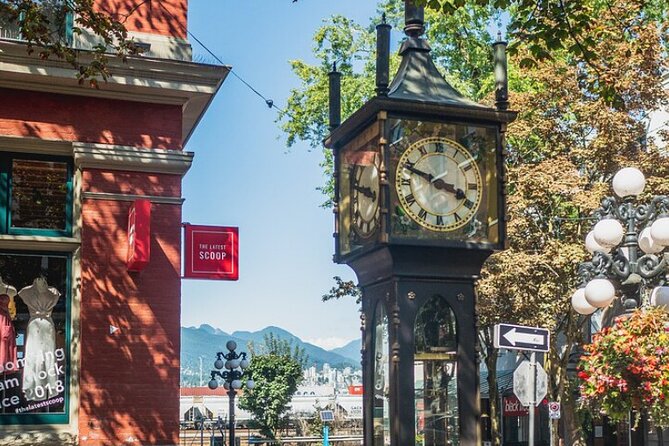
Big Bus Vancouver Hop-On Hop-Off Sightseeing Tour
Hop on and off an open-top bus through Vancouver’s top sights like Stanley Park, Granville Island, Chinatown, and Gastown, with audio.
From $48 per person
Read the review →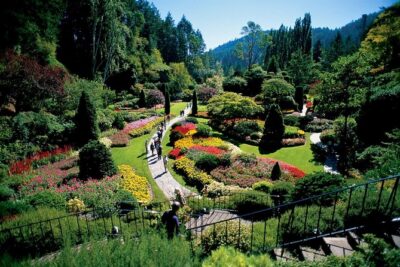 ★ 4.5Books out earlyVictoria & Butchart Gardens Tour with Ferry from VancouverFrom $2282,703 reviews
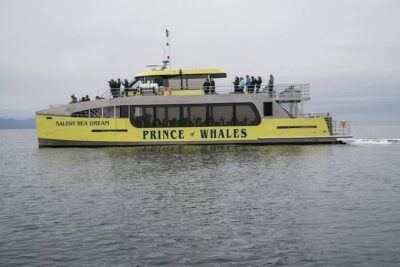
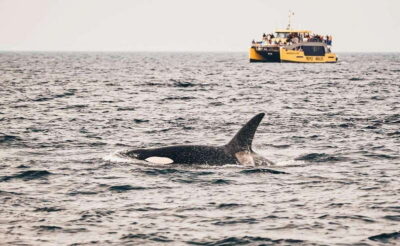 ★ 4.8Rain or shineCovered Whale Watching Adventure with Free PhotosFrom $1882,260 reviews
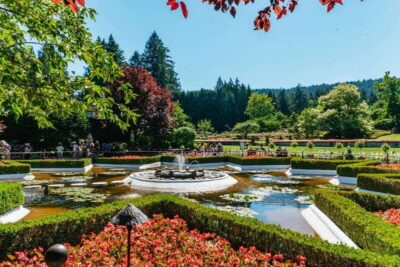
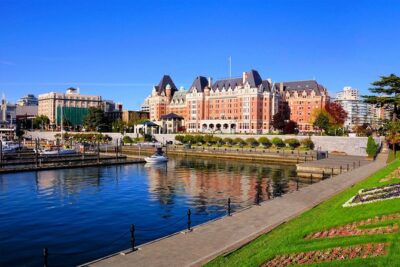 ★ 4.5Crowd favouriteVictoria and Butchart Gardens Day Trip from VancouverFrom $2322,242 reviews
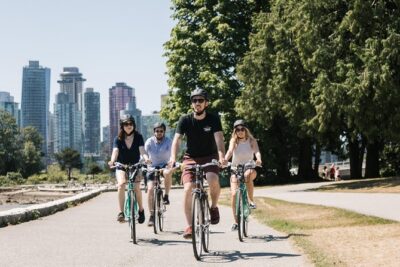 ★ 5.0Easy first dayThe Grand Bicycle Tour by Cycle City ToursFrom $961,827 reviews
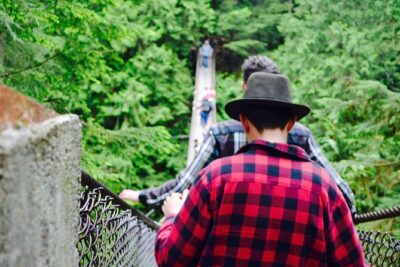
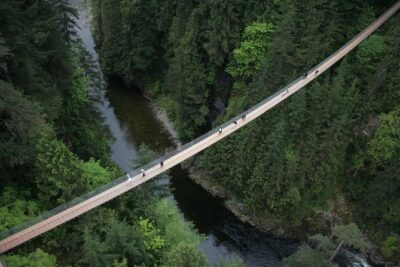 ★ 4.5Good with kidsCapilano Suspension Bridge Park TicketFrom $611,814 reviews
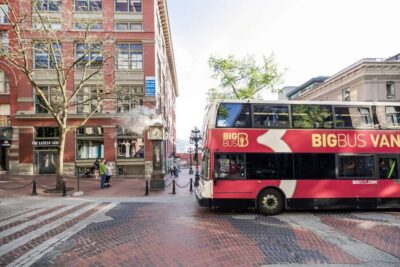 ★ 3.9Worth the early startHop-on Hop-off Sightseeing Tour with 10 StopsFrom $471,807 reviews
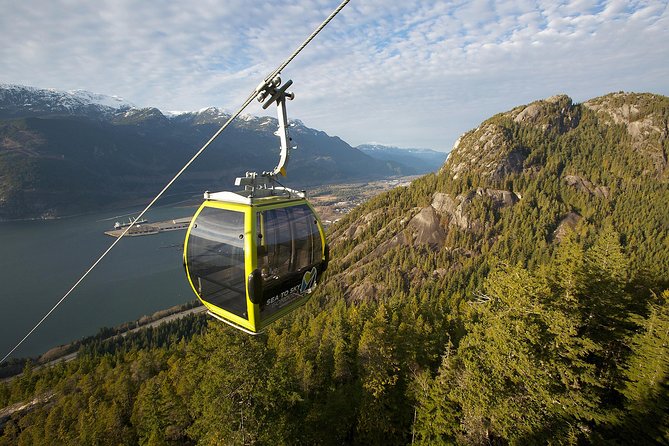
Ninety minutes of coastline and cliff.
Highway 99 leaves the city at sea level and climbs the edge of Howe Sound the whole way: Shannon Falls at the roadside, the Sea to Sky gondola swinging out over the fjord, Whistler village at the top with the afternoon still in hand.
Ferry, highway, or bridge?
Three directions leave Vancouver every morning and most trips have room for one. Pick the direction that sounds like your day; every option behind it is priced and rated.
Ferry and gardens
West across the strait
13 hours (approx.) · from $228 · 2,703 reviews
An early coach to Tsawwassen, the ferry threading the Gulf Islands, then the sunken garden at Butchart and Victoria’s harbour front before the boat back. Longest of the three, and the one people describe in detail afterwards. Take the booked seat, not the standby queue.
See the Victoria days →
 Alpine, in a day
North up Highway 99
10 hours (approx.) · from $173 · 1,640 reviews
Shannon Falls, the gondola over Howe Sound, then Whistler’s pedestrian village for lunch and the peak lift if the cloud lifts with you. Home for dinner in Vancouver. Good in every season; in winter dress as if you were skiing.
See the Whistler days →
Alpine, in a day
North up Highway 99
10 hours (approx.) · from $173 · 1,640 reviews
Shannon Falls, the gondola over Howe Sound, then Whistler’s pedestrian village for lunch and the peak lift if the cloud lifts with you. Home for dinner in Vancouver. Good in every season; in winter dress as if you were skiing.
See the Whistler days →
 Half a day, no highway
Straight over the bridge
1 day · from $59 · 2,181 reviews
Twenty minutes from downtown and you are on a canopy walk above the Capilano canyon, with the Grouse skyride and the salmon hatchery inside the same ticket window. The one to pick when the rest of the day is already spoken for.
See the North Shore trips →
Half a day, no highway
Straight over the bridge
1 day · from $59 · 2,181 reviews
Twenty minutes from downtown and you are on a canopy walk above the Capilano canyon, with the Grouse skyride and the salmon hatchery inside the same ticket window. The one to pick when the rest of the day is already spoken for.
See the North Shore trips →
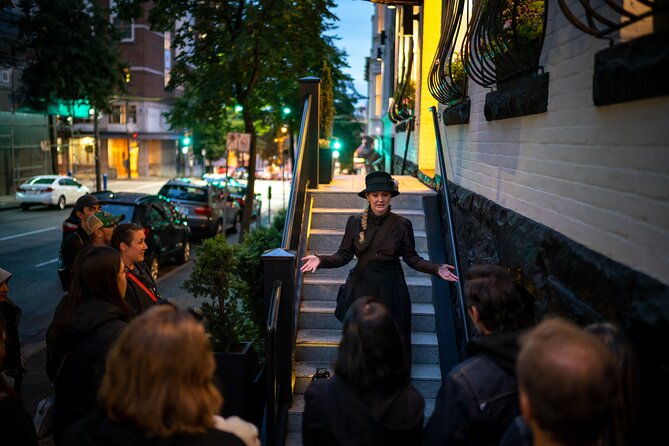
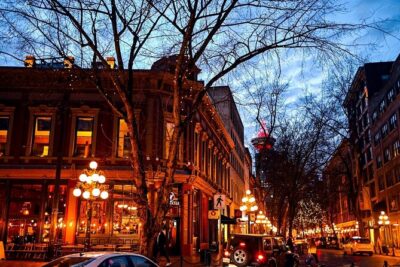
Gastown improves when the lamps come on.
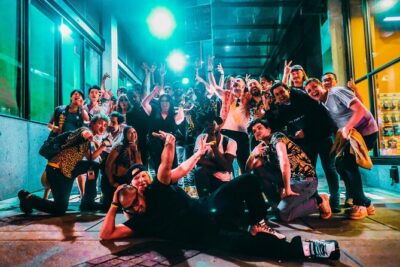
The steam clock crowd thins out, the brick warms up under the gas lamps, and the rooms behind the unmarked doors on Water Street start filling. Ghost walks, tasting crawls, and the long way round into Chinatown.
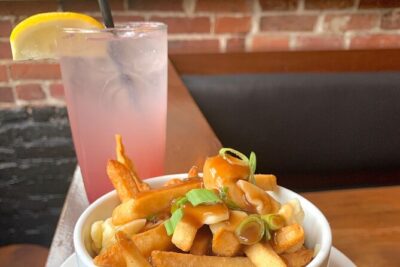
The city eats beside the water.
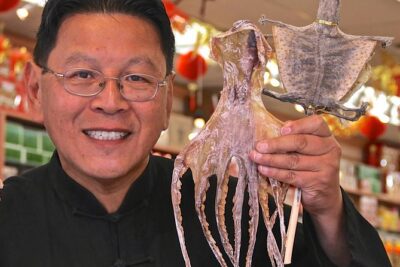
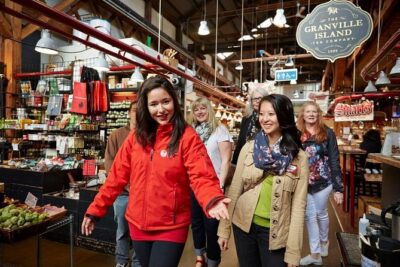
Granville Island market stalls at opening time, dumpling counters in Chinatown, the Gastown rooms with six tables and no sign outside. Three food hours worth putting in the calendar.
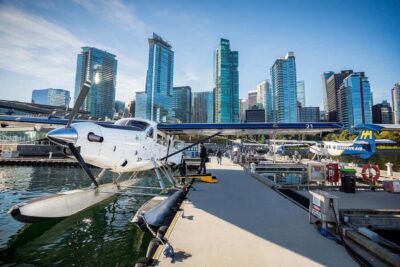
It all looks better from the water.
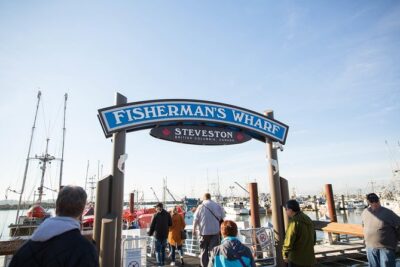
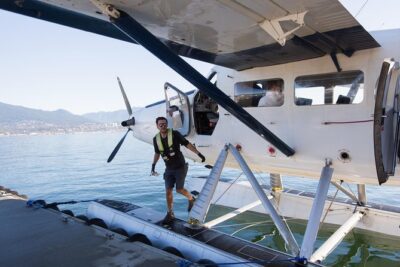
Float planes lifting off Coal Harbour, orca boats running out past Bowen, kayaks under the Burrard bridge at dusk. This skyline was built to be looked at from out there.
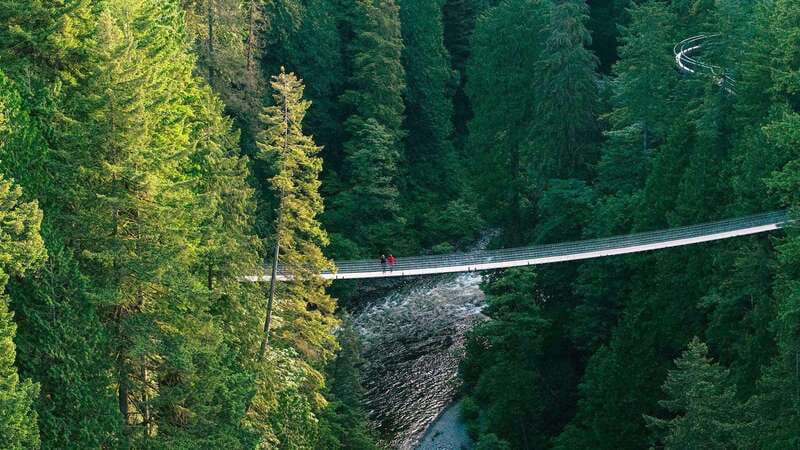
Old growth, twenty minutes from downtown.
Cross the Lions Gate and the city stops: cedars three metres thick, a suspension bridge strung across the Capilano canyon, the Grouse skyride lifting you over the whole delta. Rain does not spoil this one, it improves it.
Vancouver, one area at a time.
Stanley Park for the seawall. Granville Island for lunch. Gastown for the brick and the bars. Chinatown for the dumplings. The North Shore for the morning the mountains win.
From seaplanes to food walks.
Twelve ways into the same coastline. Pick the one that sounds like your afternoon and everything behind it is priced and rated.
Ferries west, highway north.
The Strait of Georgia on one side, the Coast Mountains on the other. Victoria, Whistler, Squamish and the fjord run out to Bowen all fit between breakfast and a late dinner.
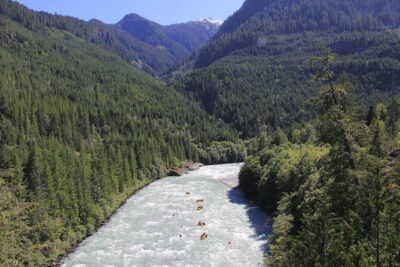
Seawall, then the bridge, then the peak.
You will not see all of it, but you can get the right three days. This is the order to hand a friend landing at YVR tomorrow.
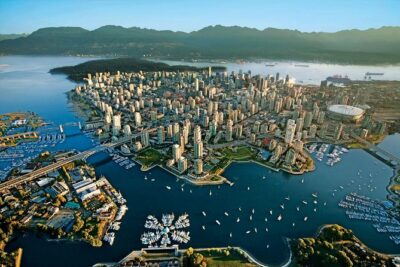 Day 1
Ride the seawall
Jet lag is useful before nine. Take the Stanley Park seawall by bike, cut through the cedars to Third Beach, then lunch on Granville Island and the little ferry back across False Creek.
Plan day one →
Day 2
Cross to the North Shore
Over the Lions Gate early, the canyon bridge and canopy walk before the coaches arrive, the Grouse skyride at midday, then back across the inlet for Gastown once the lamps are lit.
Plan day two →
Day 3
Take the highway north
Shannon Falls, the gondola over Howe Sound, Whistler village for a long lunch. Check the forecast two days out and give this day the clearest sky of your trip.
Plan day three →
Day 1
Ride the seawall
Jet lag is useful before nine. Take the Stanley Park seawall by bike, cut through the cedars to Third Beach, then lunch on Granville Island and the little ferry back across False Creek.
Plan day one →
Day 2
Cross to the North Shore
Over the Lions Gate early, the canyon bridge and canopy walk before the coaches arrive, the Grouse skyride at midday, then back across the inlet for Gastown once the lamps are lit.
Plan day two →
Day 3
Take the highway north
Shannon Falls, the gondola over Howe Sound, Whistler village for a long lunch. Check the forecast two days out and give this day the clearest sky of your trip.
Plan day three →
Fresh off the Vancouver desk.
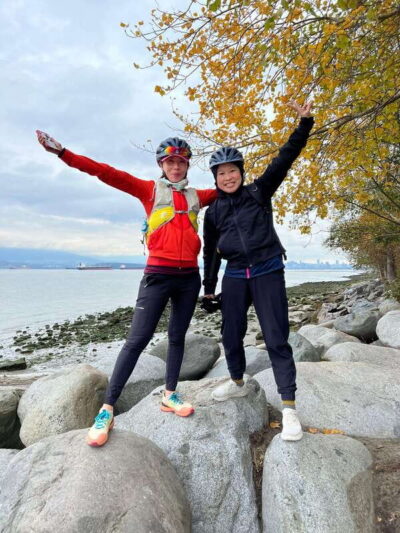 ★ 5.0Vancouver Waterfront Guided Bike/E-Bike TourFrom $843 reviews
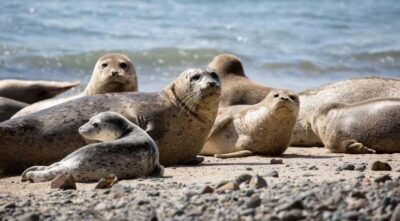 ★ 5.0Vancouver UNESCO Biosphere Reserve Wildlife Scenic Boat TourFrom $875 reviews
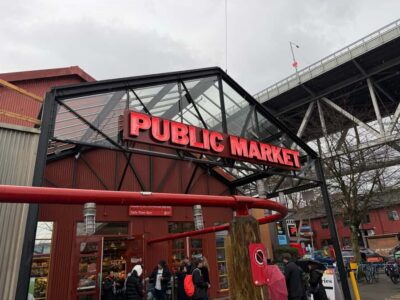 ★ 5.0Vancouver Tour/Car/Grandville Island/Queen Elizabeth/China TFrom $1143 reviews
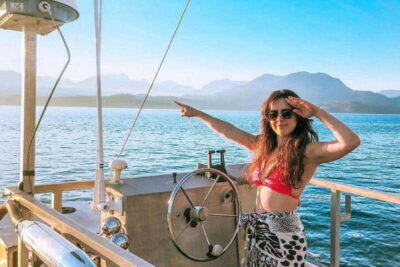 ★ 4.3Sunset Boat Cruise with Complementary BubblyFrom $804 reviews
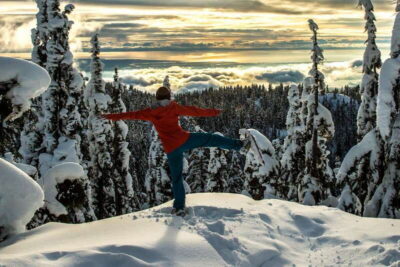 ★ 5.0Panoramic View Hiking TourFrom $1713 reviews